
Health and physical fitness: how physical activity promotes rehabilitation and recovery
Physical activity is not only a guarantee of physical health, but also a powerful rehabilitation tool, especially for veterans returning to civilian life with injuries or psycho-emotional disorders. Studies confirm that an active lifestyle and properly organized rehabilitation can significantly improve the quality of life of veterans, reducing symptoms of PTSD and facilitating adaptation to civilian life.
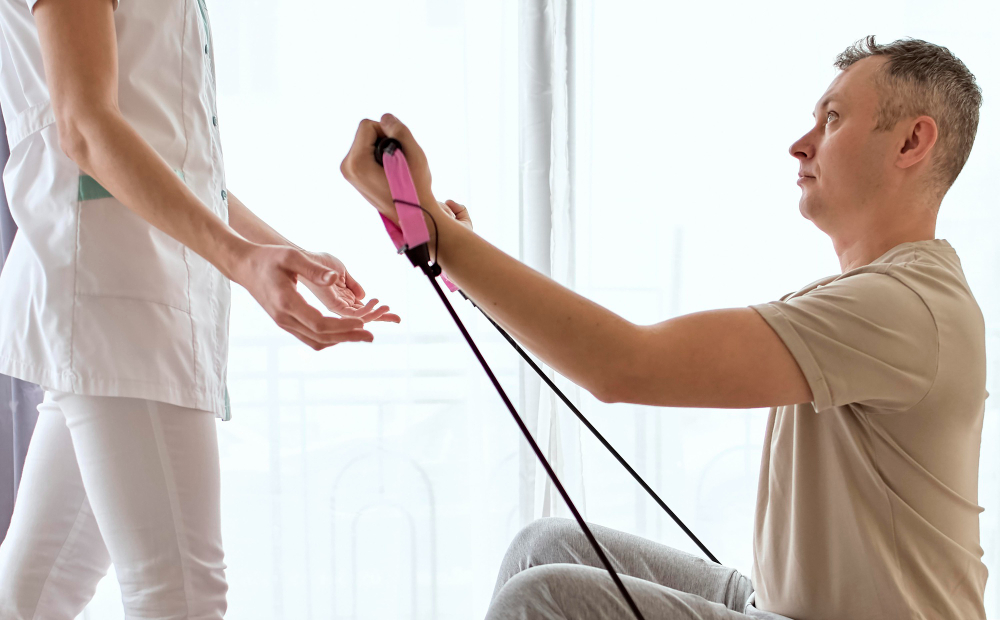
Physical activity and its impact on health
Regular physical activity reduces stress levels, helps improve mood, and even reduces symptoms of depression. Studies conducted by the U.S. Veterans Administration confirmed that veterans who regularly exercised reported significant reductions in PTSD symptoms. Physical activity helped them cope with emotional stress and improved their overall quality of life. Various types of physical activity, such as yoga, swimming, and cycling, have also been shown to be effective for people undergoing rehabilitation.
A systematic review conducted by the Institute for Veterans and Military Families (IVMF) found that veterans’ participation in sports activities improves psychological well-being. The results of this study demonstrated that physical exercise reduces PTSD and supports motivation, improves social connections, and allows veterans to focus on their strengths rather than their limitations.
Stages of rehabilitation: the importance of planning and systematicity
Rehabilitation after injuries and psychological disorders requires a structured approach. The primary goal of rehabilitation is to restore mobility and physical strength. Starting with passive exercises under the guidance of a specialist, veterans can gradually move on to physiotherapy classes aimed at strengthening muscles.
Cardiovascular exercise, such as swimming or cycling, improves endurance and heart health, which is important for people who have experienced stressful situations. Physical activity in nature, such as ecotherapy, also has a positive effect on the mental state of veterans, alleviating symptoms of PTSD and improving overall well-being.
Maintaining discipline: practical recommendations
Maintaining discipline is one of the most difficult parts of rehabilitation. For many veterans, a system of small, achievable goals that gradually lead to big results is effective. For example, you can start with short classes, gradually increasing their duration. Keeping records, such as a training diary, helps to record achievements and track improvements. Another important aspect is group classes – veterans who exercise in groups feel more supported and find inspiration in each other.
Tips for maintaining overall health
In addition to physical activity, an important component of recovery is adequate rest and healthy sleep. Sufficient sleep not only restores physical strength, but also supports mental health, which is critically important for veterans with PTSD. Proper nutrition also contributes to recovery, especially a diet rich in protein, which is necessary for muscle regeneration, as well as vitamins and minerals to support immunity and overall body tone.
Psychological aspects of rehabilitation
Physical activity has a positive impact not only on physical health, but also on mental health. Participating in team sports, where veterans can interact with each other, helps increase motivation and develop new social connections. For example, exercise therapy and yoga classes help veterans achieve inner peace and harmony, which is an important part of the recovery process.
Results
Physical activity and rehabilitation are important components of veterans’ return to civilian life. A variety of sports and physical exercises allow veterans to reduce stress levels, improve physical condition and psychological stability. Every veteran can find their own path in rehabilitation, and community support and the availability of accessible programs help make this path more effective and meaningful.
