The Veterans’ Theater “Sercevir”
The Veterans’ Theater “Sercevir” Launched in Chernihiv
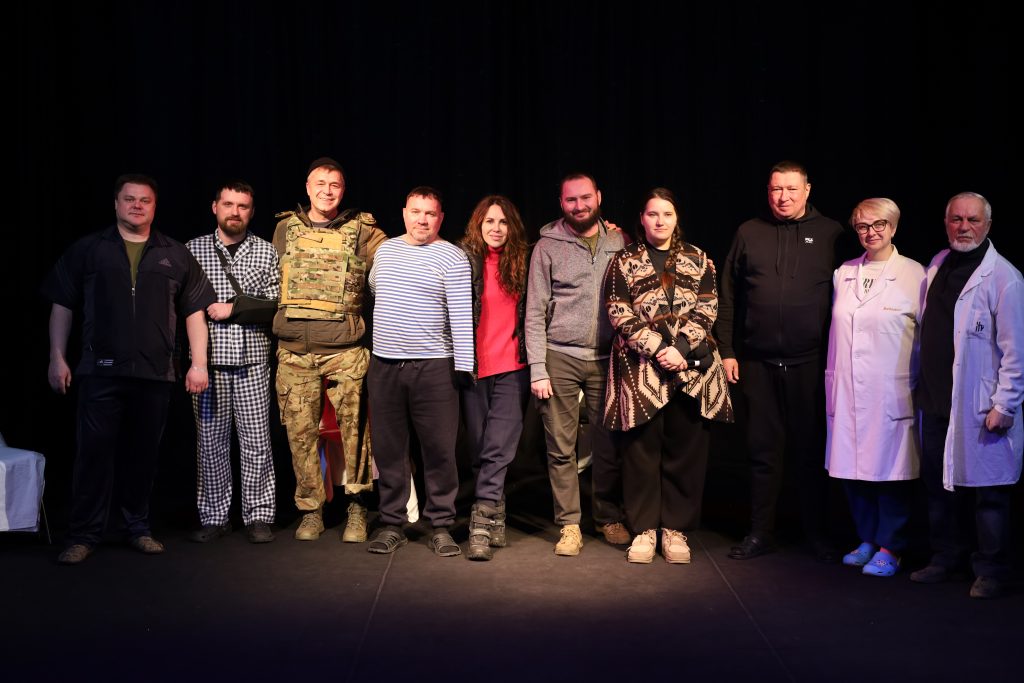
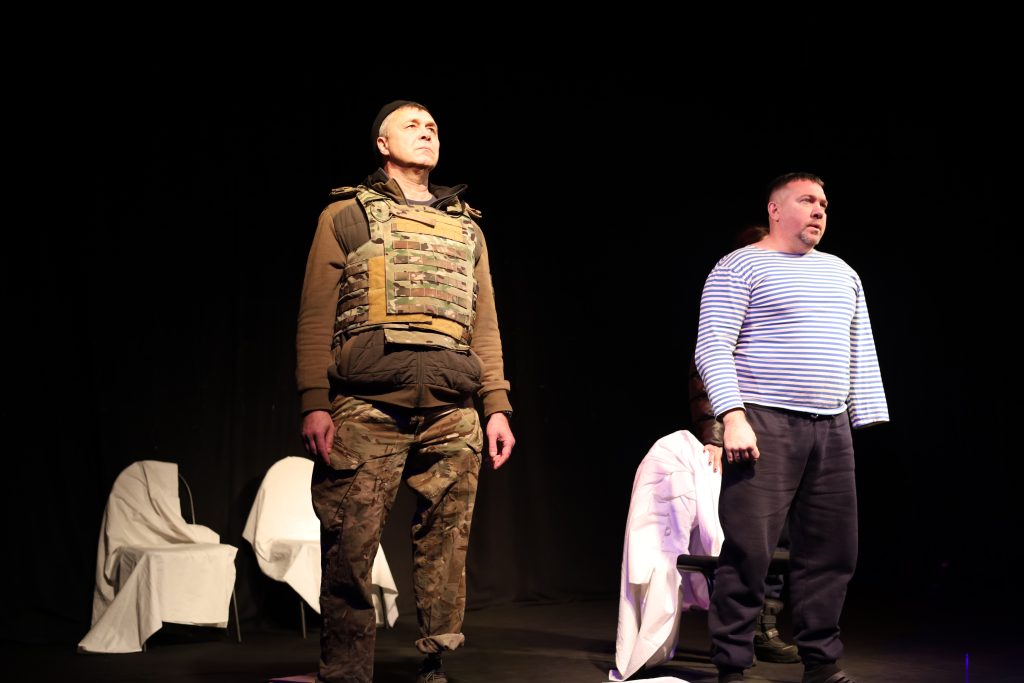
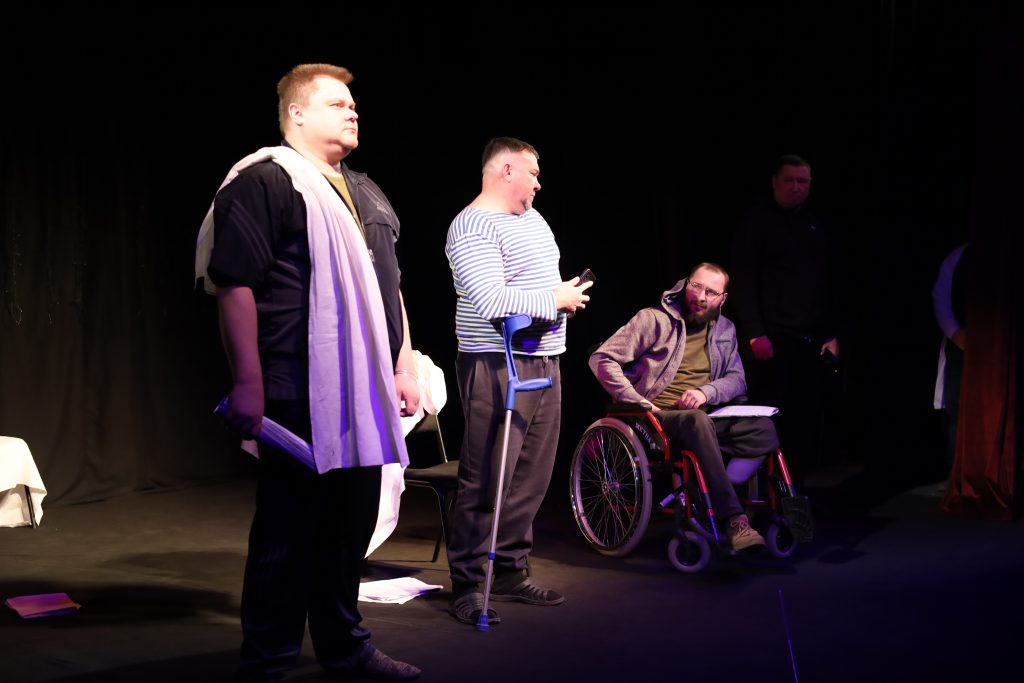
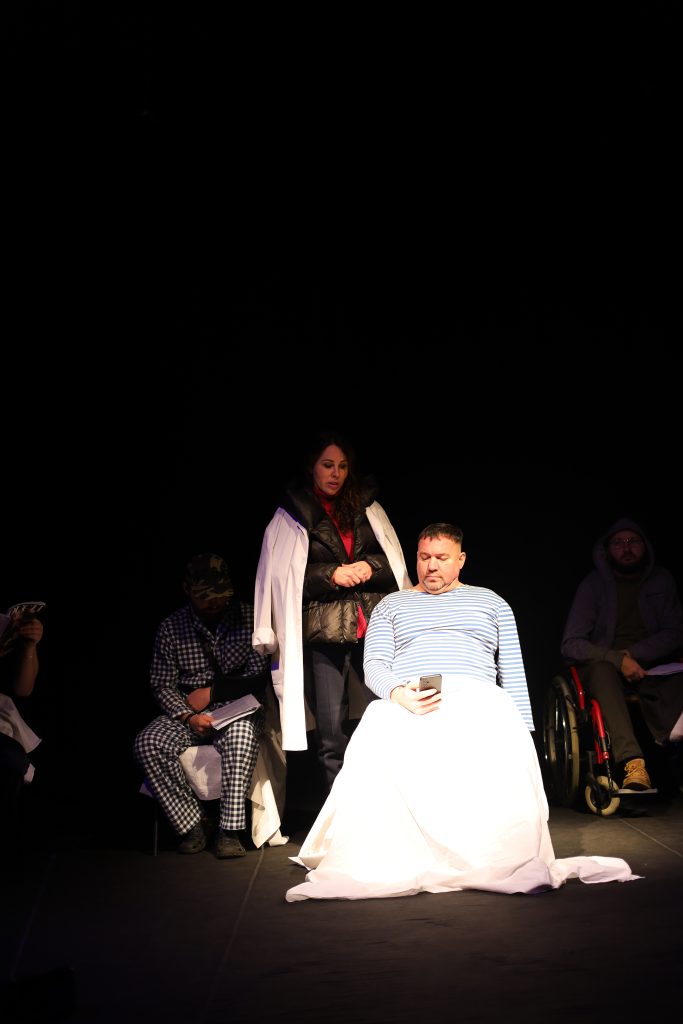
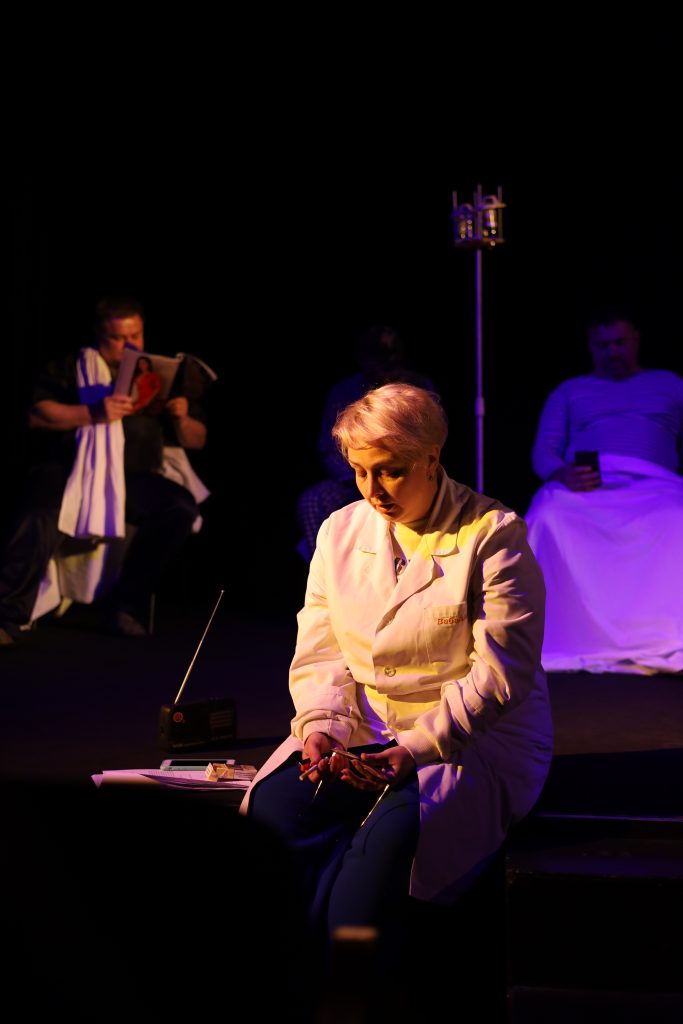
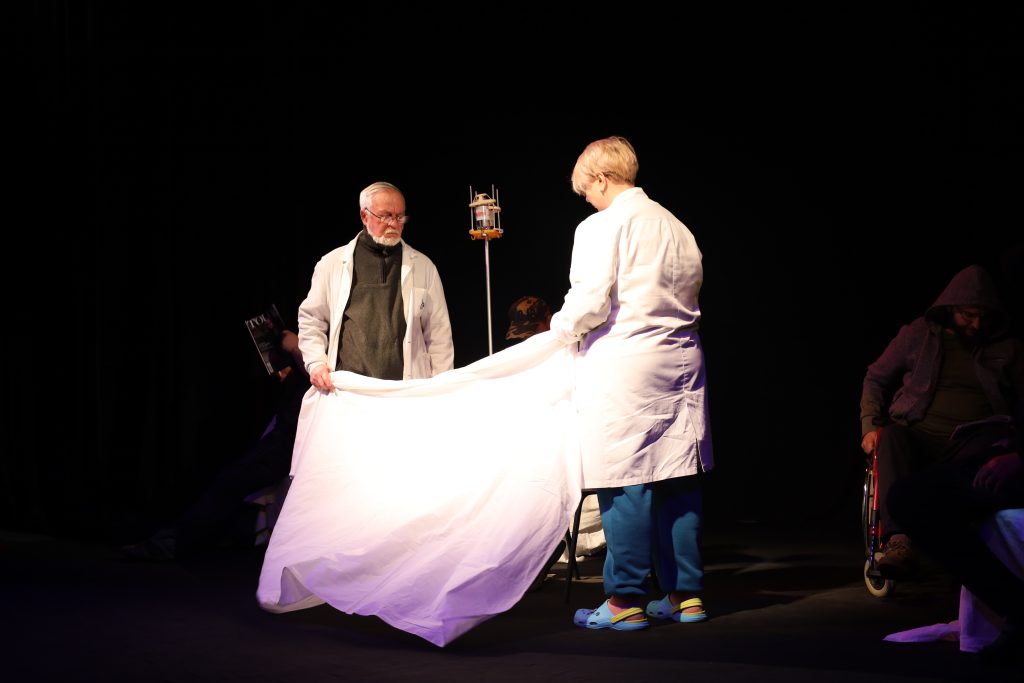
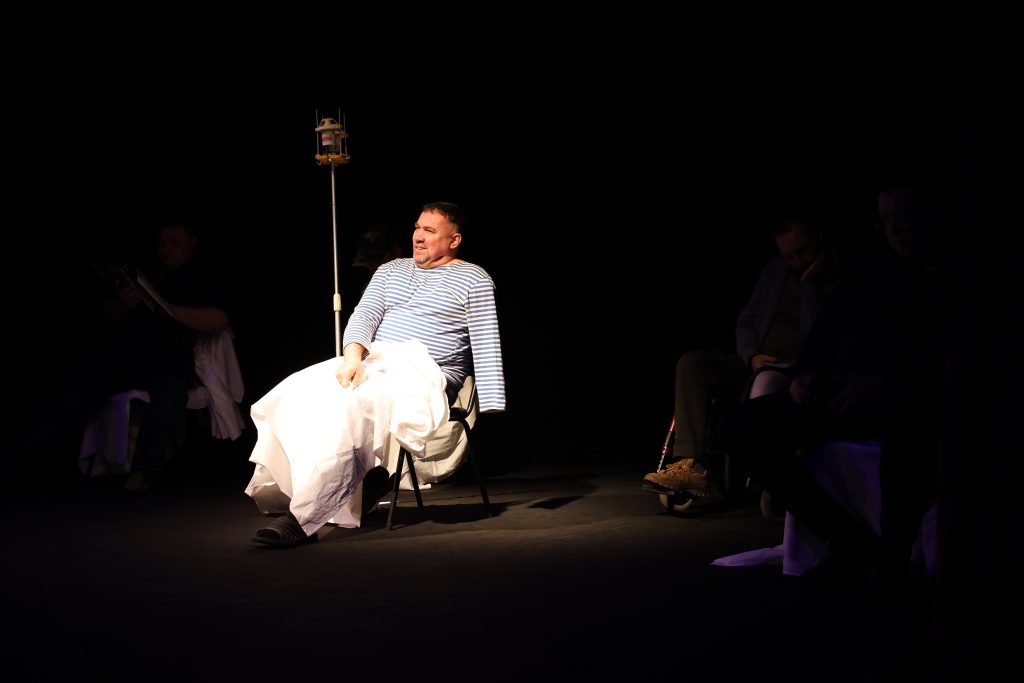
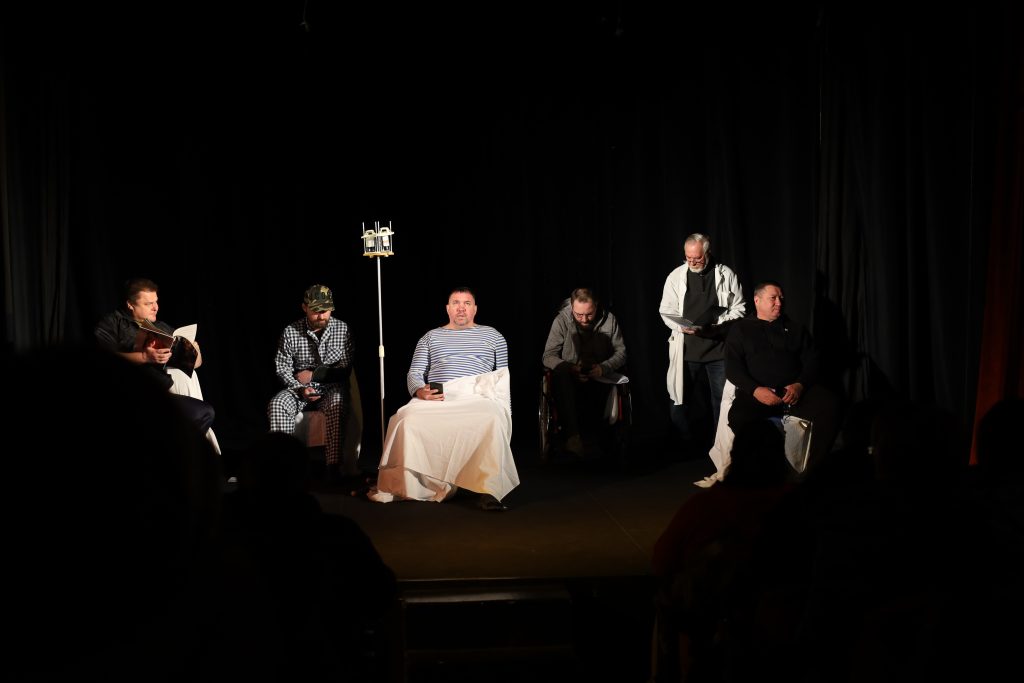
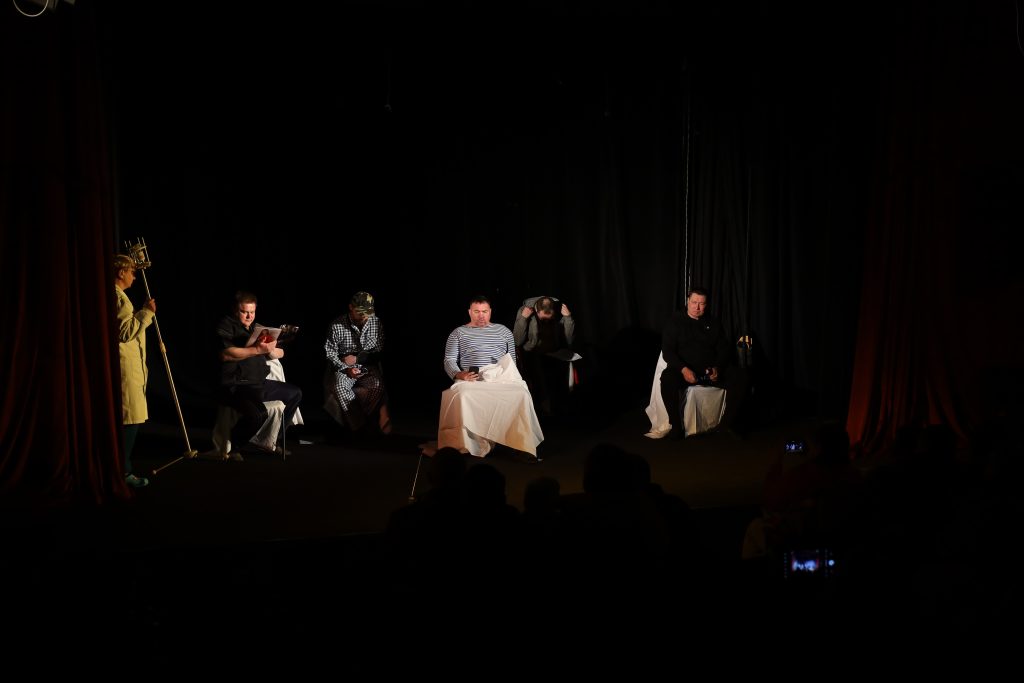
In 2025, the Veterans’ Theater “Sercevir” began its work in Chernihiv — a space for creative rehabilitation, self-expression, and collaborative engagement of veterans through theatrical art and drama therapy.
Theater as a Path to Recovery
The Veterans’ Theater “Sercevir” is not only an artistic project, but also a tool for psychological support, social adaptation, and drama therapy, opening new opportunities for veterans through collective creative activity.
The theater’s first production was a performative reading of the play “Hospital Rhapsody” by playwright Yurii Vietkin. The presentation took place at the Chernihiv Puppet Theater for the relatives and loved ones of the veteran participants, as well as for everyone who wished to attend the event.
About the Performance “Hospital Rhapsody”
“Hospital Rhapsody” is a documentary drama about Chernihiv in March 2022 — about war, pain, support, and the strength of the human spirit. Through stage imagery, veterans convey their personal experiences, emotions, and inner transformations, working with them in a safe theatrical and drama therapy format.
Participants and Creative Team
The performative reading featured:
Ruslan Ivanov, Viktoriia Kalmykova, Liana Barbash, Mykola Bahlai, Oleh Shelestov, Artem Halushko, Oleksandr Vasylenko, Valerii Vovk, Yurii Vietkin.
🎥 Director — Anastasiia Kuzyk
🎼 Music — Denys Kachan
✍️ Playwright — Yurii Vietkin
The Story of Restoration: The Path of Yevhen Smaga
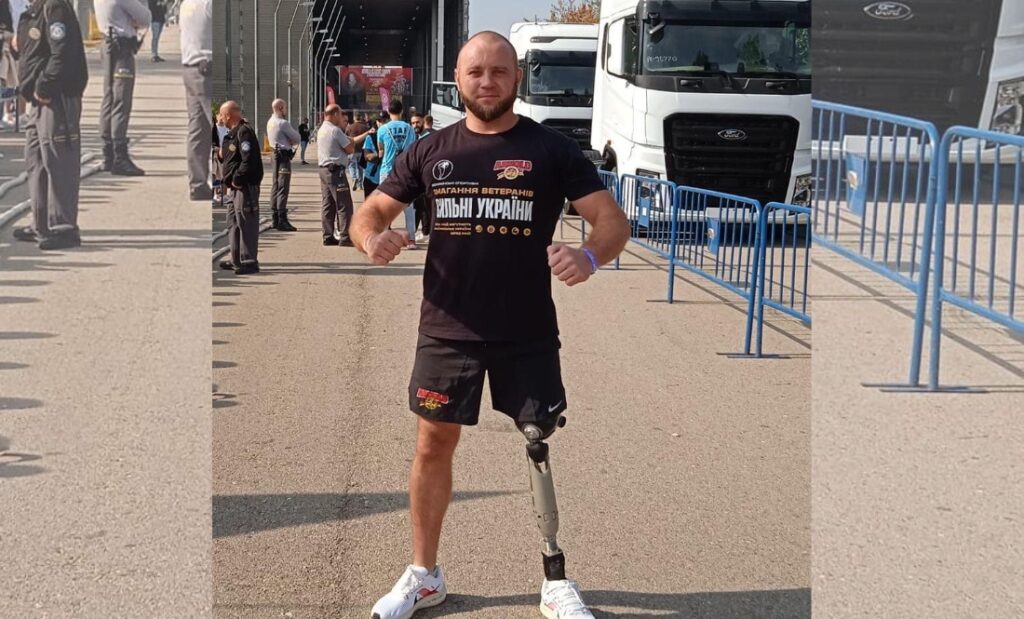
Recovering from injury is not only a physical rehabilitation, but also a complex emotional, psychological and creative process. One of the veterans who has gone through this difficult path is Yevhen Smaga from Chernihiv, who was wounded while defending his city. His story is a story of courage, brotherhood, creativity and the ability to find the strength to recover with the support of the Veterans’ Community of Ukraine “Sertsevir”.
Injuries and the first steps to recovery
Yevhen was seriously injured in March 2022 during hostilities on the outskirts of Novoselivka. Due to mortar shelling, he lost his leg, which radically changed his life. This moment marked the beginning of a difficult period, but the support from his comrades and specialists of the AFU “Sertsevir” organization played a decisive role. From the very beginning, Yevhen was surrounded by people who had gone through a similar path and knew how to provide the necessary support.
Physical rehabilitation, sports and modern technologies
Yevgen’s rehabilitation program included intensive physical exercises and training using the latest prosthetic technologies. An inclusive gym is equipped in the premises of the APU “Sertsevir” organization, where veterans undergo training to strengthen muscles and increase motor activity. Yevgen actively plays sports four times a week, which has become a key element of his recovery.
In October 2023, Yevgen visited Madrid, where he set a world record in strongman during the Arnold Classic Europe international sports festival. He pulled four trucks with a total weight of 35 tons in 30.69 seconds, which was recorded as a Guinness record. This feat became a symbol of his indomitability and strength of spirit.
Psychological support, creativity and the importance of brotherhood
One of the biggest psychological challenges for veterans is the feeling of alienation and a change in personal identity. In such cases, creativity and support from fellow veterans become an integral part of the rehabilitation process. Yevhen became one of the founders of the veterans’ theater “Sertsevir”, where veterans express their feelings and experiences through theatrical activities.
Together with psychologists and specially trained instructors, Yevhen worked on overcoming anxiety and disappointments, learned new strategies for stress management. Participation in creative projects gave him the opportunity to feel part of a community and find new meanings in life.
New skills and a return to an active life
After undergoing physical and psychological rehabilitation, Yevhen decided to acquire new professional skills. He won a grant from the state for a car wash project under the “eRobota” program and plans to open his own business in Chernihiv next year. This not only opens up new employment opportunities, but also gives him confidence that he can support himself and other veterans.
In his free time, Yevhen works as a taxi driver, demonstrating that limitations are only in your head. His example inspires other veterans not to stop in the face of difficulties and to find ways to fulfill themselves.
A story of strength, creativity and hope
The story of Yevhen Smaga and many other veterans who overcome the path from injury to recovery demonstrates the importance of social and creative initiatives for rehabilitation. Yevhen and his comrades become an example of courage, dedication to life and a creative approach to overcoming challenges. Step by step, thanks to modern technologies, professional support and true brotherhood, veterans like Yevhen find their place in peaceful life and inspire others to continue moving forward.
This story of recovery is an important example for society, which has the opportunity to see how veterans return to life, actively adapt to new conditions, engage in creativity and become an integral part of the development of Ukraine.
Technology and New Skills: How Veterans Effectively Adapt to Civilian Life
The transition to civilian life for veterans requires not only physical rehabilitation, but also social and professional adaptation. The Veterans Community of Ukraine “Sertsevir” strives to facilitate this process by providing modern technological solutions and educational programs that help veterans regain independence, master new professions, and feel confident in a civilian environment.
Mobility skills: modern technologies for comfortable movement
One of the key areas of support is providing veterans with mobility aids. The latest electric wheelchairs and adaptive transportation solutions are designed to make getting around the city easier, especially where access to infrastructure may be limited. Such devices can be equipped with sensors to prevent collisions and stabilization systems for moving on uneven surfaces.
At the APU organization “Sertsevir”, specialists conduct training on the use of these technologies: how to control the devices, plan safe routes, avoid obstacles and use public transportation effectively. This allows veterans to feel more independent and confident in their abilities.
Professional retraining: new opportunities for self-realization
An important part of veterans’ adaptation to civilian life is professional retraining. The APU “Sertsevir” organization helps veterans acquire new skills, focusing on the most popular and in-demand areas.
One of the most promising areas is information technology, where veterans can work remotely. They have the opportunity to take courses in programming, web design, data processing, cybersecurity, or technical support. These skills not only allow them to find high-paying jobs, but also often do not require physical presence, which is important for those with limited mobility.
In addition to the IT sphere, the APU “Sertsevir” organization offers retraining programs in the fields of management, marketing, social work, and entrepreneurship. Veterans get the opportunity to study at a comfortable pace, taking into account their needs and abilities.
Psychological support, professional retraining and social adaptation
Along with professional development, the APU organization “Sertsevir” pays great attention to psychological support and social adaptation of veterans. The transition to civilian life after war is often accompanied by post-traumatic stress disorder, stress, and a sense of alienation. The organization provides an opportunity to communicate with psychologists who specialize in working with veterans.
Specialists help veterans find strategies for coping with stress, reduce anxiety, and learn to build healthy social connections. Group classes help develop communication skills, which facilitates socialization and helps veterans feel active and needed in society again.
The APU organization “Sertsevir” also organizes cultural and sports events that help veterans engage in the community. Theater performances, art workshops, sports competitions, and other activities help to reveal creative potential and find new interests.
Results
The Ukrainian Veterans’ Community “Sertsevir” actively works on the integration of veterans into society, providing not only technological and educational support, but also the necessary resources for psychological and social adaptation. This helps veterans feel independent, useful and full-fledged members of society.
Thanks to a comprehensive approach that includes psychological support, professional retraining and social adaptation, the Ukrainian Veterans’ Community “Sertsevir” makes the transition to civilian life less stressful and more successful. Veterans get the opportunity to build a new life full of opportunities and prospects, which contributes to their personal development and the general well-being of society.
Community and mutual aid: support for veterans in the veteran space “Sertsevir”
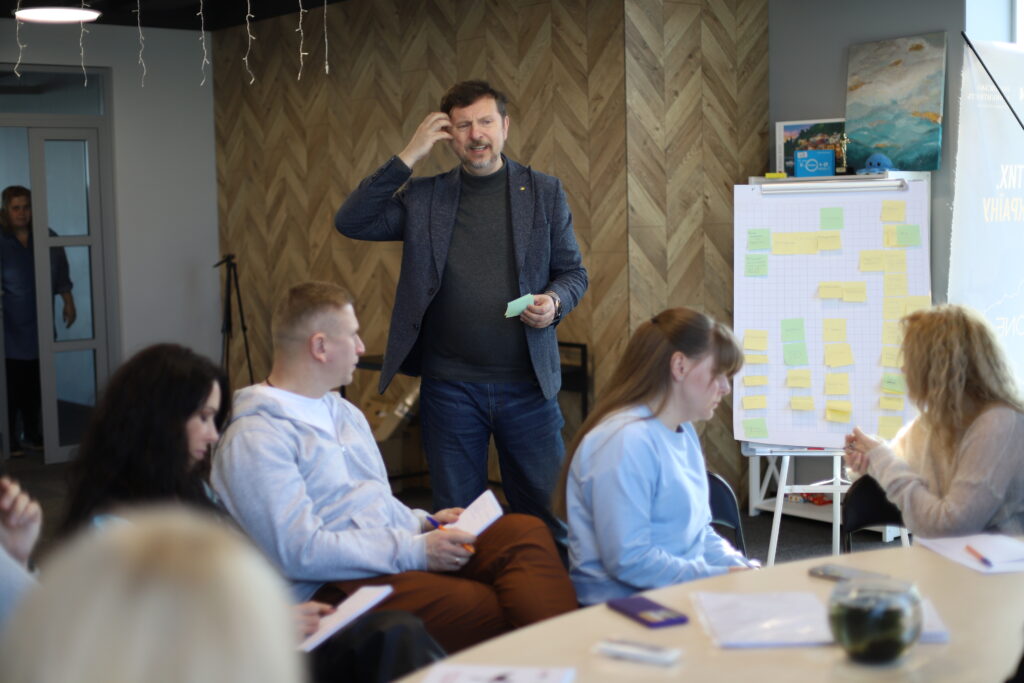
For veterans returning to civilian life, an important aspect is the support and sense of unity with those who share similar experiences. The Veteran Space “Heart” has become a kind of center where veterans can find help, develop personal and business initiatives, and unite for mutual support. Here they can communicate, exchange knowledge, and even develop their own businesses, which contributes to both professional and social growth.
Support through veteran businesses and initiatives
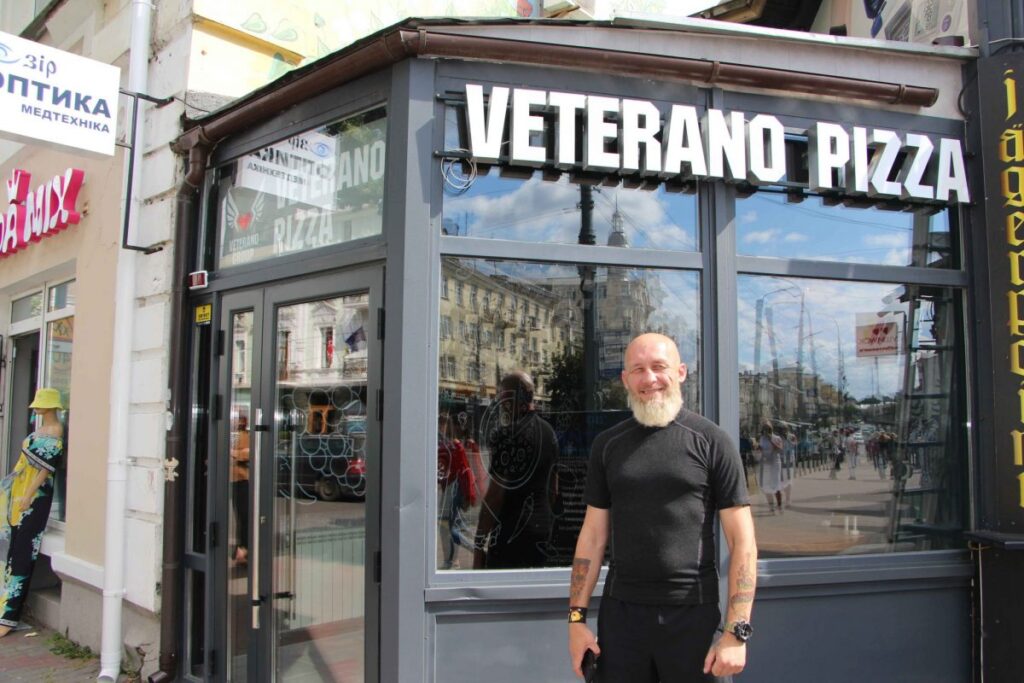
Many veterans start their own businesses that are focused on supporting their fellow veterans. An example of this is the famous establishment “Veterano Pizza”, created by veteran Leonid Ostaltsev. It is not only a pizzeria, but also a veteran space where veterans can find work, achieve professional fulfillment and develop their skills in a peaceful life.
Other entrepreneurs, inspired by this example, open coffee shops, workshops, small farms, where they work and find support from fellow veterans. In such establishments, veterans not only acquire a new profession, but also feel part of a community where their interests and problems are understood.
Psychological support and communication with “your own”
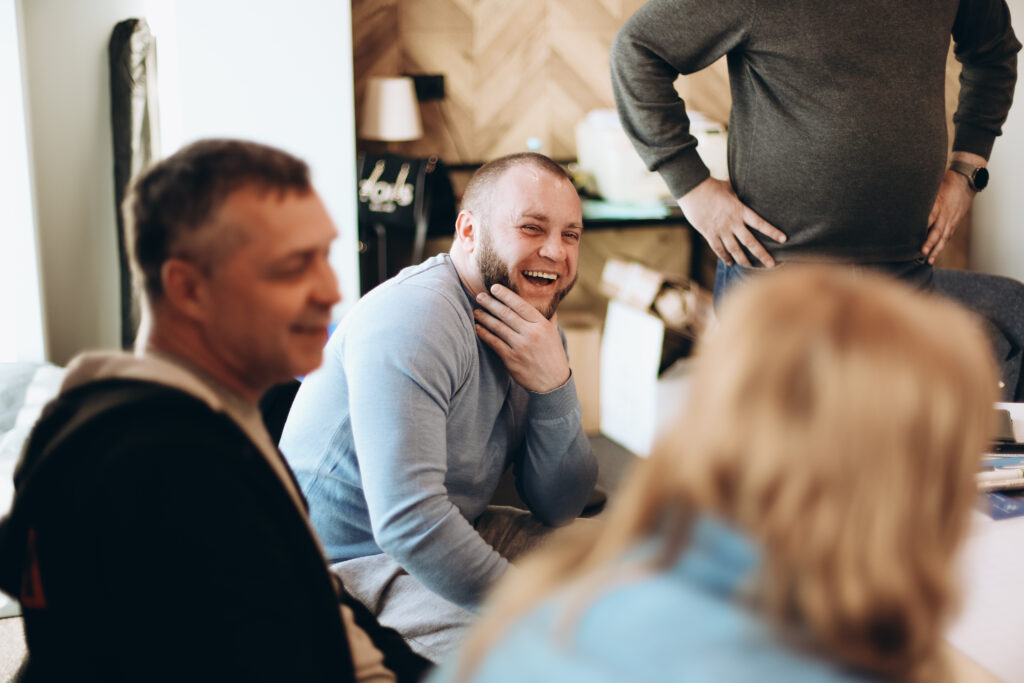
Psychological support that veterans can provide to each other is an integral part of rehabilitation. The Heartbeat community provides an opportunity for informal communication, where everyone can share their own experiences, adaptation difficulties and experiences related to returning to civilian life.
In addition, the organization regularly holds meetings, trainings on psycho-emotional support, art therapy, as well as group therapy sessions that help veterans find peace of mind and accept a new role in society.
The Heartbeat veteran space is open to all veterans and their families, where they can attend group classes, discuss their emotional experiences with psychologists, and participate in psychological sessions organized by veteran psychologists. Thanks to this initiative, veterans can find support from “their own”, which is especially important for recovery after the war.
Education, sports and joint activities
The HeartVir Veterans’ Space also promotes the physical and professional development of veterans by organizing sports events, competitions, and retraining. Veterans can join adaptive sports programs, such as the Northern Outpost or HeartVir Cup, where they can not only regain their physical fitness but also build new social connections.
In addition, HeartVir is working to create a business incubator for veterans, where they can receive support to start their own business, receive entrepreneurship training, and access financial resources such as grants or soft loans.
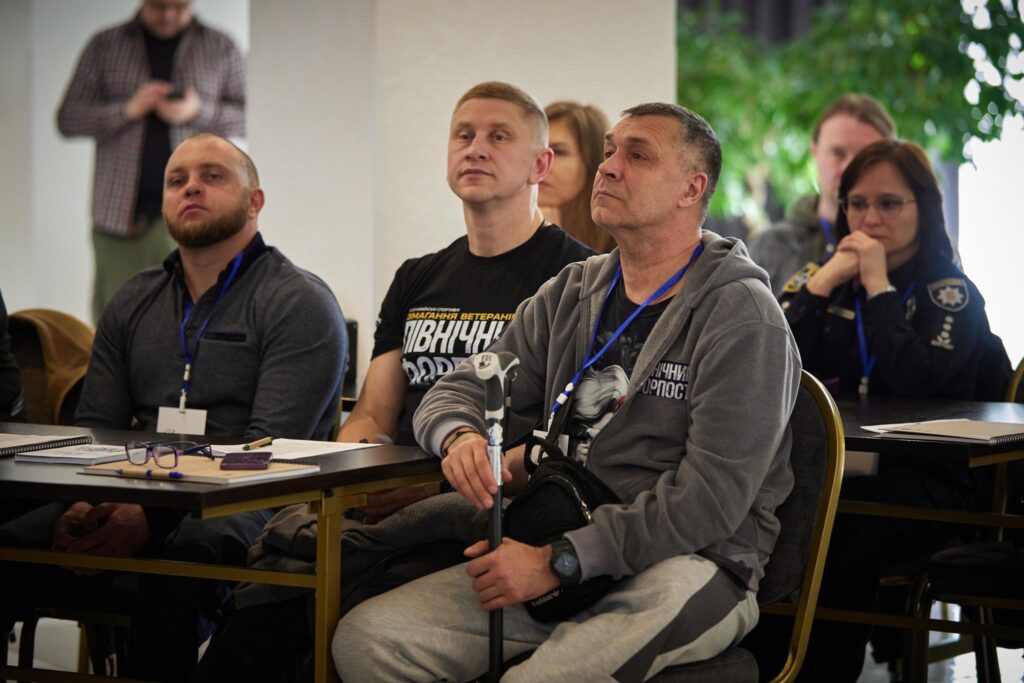
Community members can participate in training courses that cover business education, first aid courses, and training in new professional areas. To do this, you need to visit the HeartVir Veterans’ Space or register for courses via the website. Veterans can choose from a range of programs that meet their needs and interests, from sports events to vocational training programs.
Volunteering and charity among veterans
Veterans can also support the community through volunteer programs that are aimed at helping those who need additional support. Within the framework of the “Heart” space, volunteer initiatives are operating that help veterans with disabilities or those who are in difficult financial situations. Volunteering allows veterans to be useful to others, which has a positive impact on their emotional health and overall integration into society.
How to get involved in volunteering
To join volunteer initiatives in the veteran space “Sertsevir”, veterans and their family members simply need to contact the organization’s administration or fill out a short application for volunteering on the official website of “Sertsevir”. The administration will help find projects that match the interests and skills of each volunteer, and organize training for new volunteers, including training in providing psychological support, crisis communication, and first aid.
Cultural and patriotic activities: how events and community activities support veterans and strengthen community spirit
Honoring memorable dates and participating in public events is an important part of veterans’ lives, providing an opportunity to remember their fallen comrades, maintain contact with the community, and pass on their experience to younger generations. VETERAN COMMUNITY OF UKRAINE “SERTSEVIR” actively organizes and supports such events, creating a space for veterans where they can express their respect for the memory of heroes and share their story with society.
Commemorating memorable dates and participating in sporting events
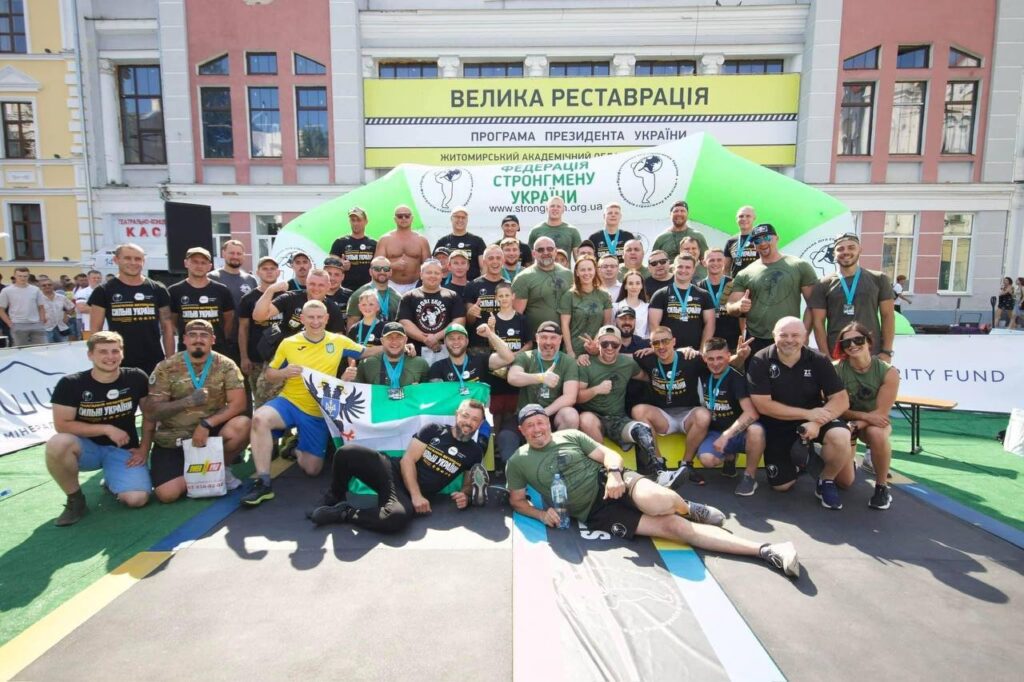
For many veterans, an important symbol is participation in events that mark the anniversaries of memorable battles and honor the fallen. For example, the Armed Forces of Ukraine “Sertsevir” organizes events every year on the Day of Defenders of Ukraine. This gives veterans the opportunity to remember their comrades who gave their lives and to thank each other for their service. Such events are often accompanied by solemn flower-laying ceremonies, parades and performances in honor of fallen heroes.
In addition, veterans often participate in sports competitions, such as the All-Ukrainian race “I respect the soldiers, I run for the heroes of Ukraine”, which is held in many cities of the country. This event symbolizes fortitude and reminds of the contribution of the military to the defense of Ukraine, providing an opportunity for veterans to test themselves physically and receive moral support from society.
Volunteering and community initiatives
Veterans are actively involved in volunteer activities within the framework of public initiatives. Participation in such events gives them the opportunity not only to share their experience, but also to help others. The Ukrainian Armed Forces “Sertsevir”, for example, organizes various initiatives, such as events to support people with disabilities who need special assistance. Veterans not only help organize such events, but also act as mentors and trainers for young people, popularizing patriotic values and passing on knowledge to future generations.
Artistic and cultural events for veterans
An important part of veterans’ lives are also artistic and cultural events that help express emotions and strengthen ties with society. Exhibitions, literary evenings, master classes in painting and music are regularly held in the veteran space of the Armed Forces of Ukraine “Sertsevir”. This helps veterans to reveal their creative potential, find new ways of self-expression and even discover new professions in creative fields. Such events become not only a way of psychological support, but can also become a new start for the personal development of veterans.
Community support and memory preservation
One of the important goals of the events organized by the APU “Sertsevir” organization is to preserve memory and strengthen community ties. Community events supporting veterans help society better understand the difficulties and achievements of people who returned from war. These events remind us of the importance of unity and support for each other, strengthen social ties, and allow veterans to feel their significance and need.
Thus, cultural and patriotic events are important for supporting veterans and strengthening community unity. Thanks to the APU “Sertsevir”, veterans have a space where they can actively participate in public life, share their experiences, and feel supported by society, which is extremely important for their reintegration and further development.
Benefits and legal rights of veterans of Ukraine: a complete overview and instructions for use
Veterans in Ukraine are entitled to a wide range of benefits, including transportation, social benefits, healthcare, access to education, and housing.
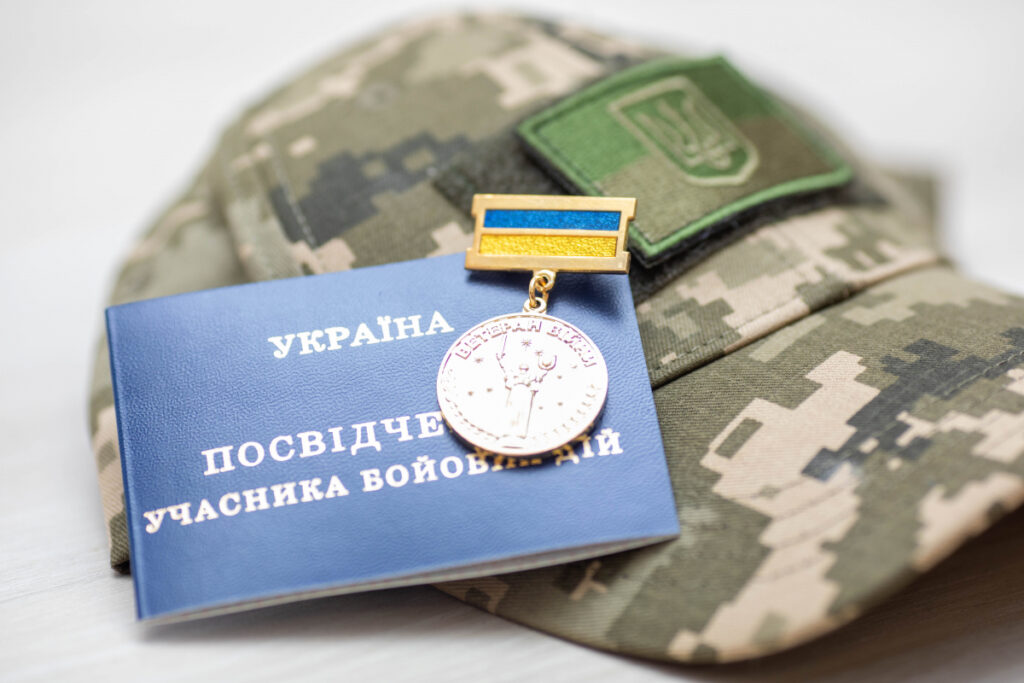
Transportation benefits for veterans
Ukrainian veterans are entitled to free travel on all types of intercity transport once every two years in both directions. This includes rail, water, air and intercity road transport. Alternatively, veterans can take advantage of a 50% discount once a year for these types of transport. In most Ukrainian cities, veterans are also entitled to free travel on public transport (buses, trolleybuses, trams), but the exact conditions may vary depending on the region.
How to use transportation benefits
For intercity travel, veterans must present their combatant ID (UBD) at the box office of transport companies or when purchasing tickets. To use free travel on public transport, veterans must show their ID to the driver or controller. If you are unsure of the current rules for public transport in your locality, it is recommended to contact your local ASN or local government for clarification.
Social benefits and medical care
Social benefits for veterans in Ukraine include a number of rights and guarantees that provide additional support for military personnel returning to civilian life. In particular, veterans are entitled to 100% compensation for temporary disability benefits regardless of the length of service, which significantly eases their financial situation during forced sick leave.
Veterans can also take advantage of additional paid leave of up to 14 days annually, which allows them to pay more attention to restoring their health. In the event of a reduction in the number of employees, veterans have the priority of retaining their job or the priority right to employment in a similar position in another organization.
Medical services for veterans are provided on an extraordinary basis in state medical institutions. For veterans with disabilities, additional medical services and support in medical institutions are provided.
How to take advantage of social and medical benefits
To receive additional paid leave or to secure priority in the workplace, a veteran must contact the human resources department with a UBD certificate or other document confirming the status. In state medical institutions, veterans must also present the appropriate certificate to receive emergency care. For more detailed information on available services, it is worth contacting local social security departments.
Educational benefits for veterans and their children
The state provides veterans and their family members with preferential access to education in state and municipal educational institutions. Veterans and their children can count on free or partially funded education, preferential loans for higher education, social scholarships and preferential conditions for living in dormitories. In addition, children of veterans have a priority right to enroll in kindergartens, comprehensive schools and health camps.
How to take advantage of educational benefits
To apply for educational benefits, veterans or their children must contact the administration of the educational institution and provide a copy of the UBD certificate or other document confirming their status. When applying for social scholarships or preferential loans for education, it is recommended to contact the social protection authorities or the social work department of the educational institution.
Housing benefits and affordable mortgages for veterans
The Ukrainian preferential mortgage program “eOselya” provides veterans with the opportunity to obtain a housing loan to purchase their own housing on preferential terms. Under this program, veterans can take out a mortgage for an apartment or house at a low rate – from 3% to 7% per annum – for a period of up to 20 years.
The preferential down payment for veterans is only 10% of the cost of housing, which is significantly lower than the standard 30% for a regular mortgage. Program participants can choose objects for purchase among apartments, duplexes or townhouses. The program is implemented with the participation of state-owned banks, such as PrivatBank, Oschadbank, Ukrgasbank and Globusbank.
How to take advantage of housing benefits and mortgages
To use the e-Housing program, veterans need to apply through the Diia app, which automatically checks their income and other criteria. After confirming their eligibility for a preferential mortgage, they can choose one of the partner banks, where they need to provide a UBD certificate and a standard package of documents for applying for a mortgage. Additionally, you should consider the requirements for home insurance and possible restrictions on the choice of housing (such as the maximum cost of 1 sq m depending on the city).
Admin service Veteran
“Veteran Administrative Service” was created to facilitate veterans’ access to all necessary services. According to the “single window” principle, veterans can contact the ASC to issue documents confirming their status, apply for benefits, receive information about available services and consultations. Specially trained staff provides legal assistance and crisis support.
How to use the services of “Veteran Adminservice”
To use the services of the “Veteran Adminservice” service, a veteran needs to register in the electronic queue or visit the ASC without the need for prior registration. ASC employees will provide consultations and help with the registration of applications and relevant documents for all benefits.
Veterans’ success stories: new lives and careers after service
Returning to civilian life is a difficult stage that requires great internal resources and support. Many of them find new meaning in life through their own business or a new career, adapting their experience and skills to new realities. Below are inspiring stories of veterans who have embarked on the path of entrepreneurship, rehabilitation, and successful reintegration into society.
“Veterano Pizza” – from combat missions to social entrepreneurship
Leonid Ostaltsev, an ATO veteran, founded the pizzeria “Veterano Pizza” after returning from the war, creating a space for veterans where they could work and socialize. The establishment quickly grew into a chain known for its veteran support and social mission, involving veterans as employees and partners. Thanks to this project, Leonid not only created a successful business, but also gave veterans the opportunity to feel needed, helping others return to a peaceful life.
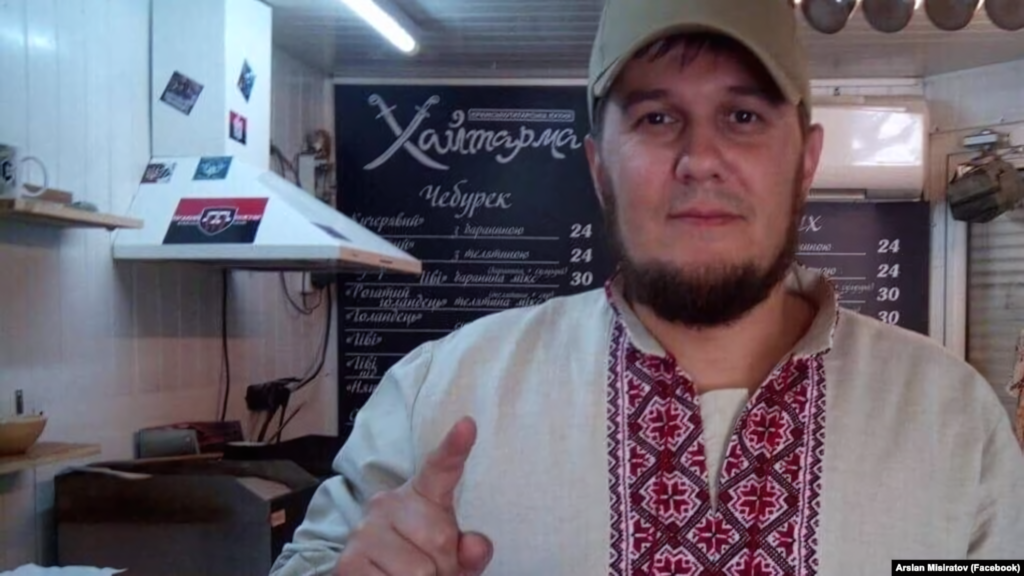
Crimean Tatar restaurant “Haytarma”
Another example is the Crimean Tatar restaurant “Haytarma” in Kyiv, founded by veterans who came together to create an institution to preserve national culture. Their business also became a platform for rehabilitation, where veterans can work, develop their skills and communicate with others. The institution quickly gained popularity, and its creators inspire other veterans to follow the path of their own business.
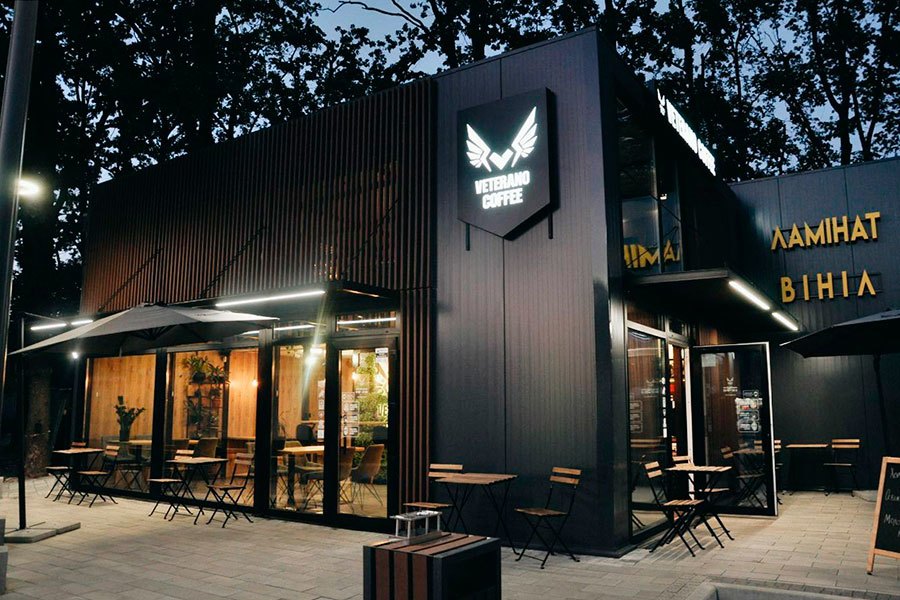
“Veterano Coffee” – coffee shops created by veterans to support their fellow veterans
Volodymyr Shevchenko, an ATO veteran, founded the first coffee shop “Veterano Coffee” in Kyiv, which later turned into a chain of popular establishments. Starting with one small kiosk, he developed a brand that became a symbol of the successful reintegration of veterans into civilian life. The coffee shop became not only a place for quality coffee, but also a platform for veterans to find jobs. Thanks to the support of like-minded people and other veterans, the project grew rapidly and became an example of success for military entrepreneurs across the country.
Family Farming School for Veterans — Agriculture as Therapy
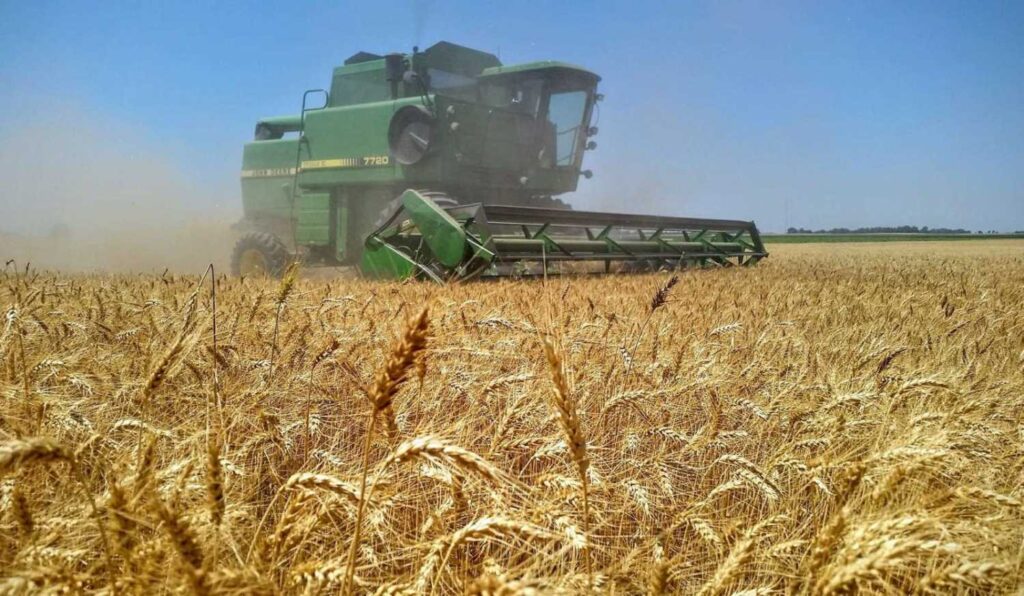
In 2023, the “Family Farming School for Veterans” was launched, which helps military personnel start their own businesses in the agricultural sector. This project unites veterans, provides them with the necessary skills for conducting agricultural business and supports them in creating their own farms. This not only contributes to economic stability, but also serves as an element of rehabilitation, allowing veterans to work with nature, find inner peace and restore physical health.
Result
These stories prove that veterans can find new meaning and embark on the path of entrepreneurship by adapting their experiences and skills to civilian life. With support from veteran initiatives and government programs, they are transforming their businesses into spaces of not only economic but also social recovery.
Health and physical fitness: how physical activity promotes rehabilitation and recovery
Physical activity is not only a guarantee of physical health, but also a powerful rehabilitation tool, especially for veterans returning to civilian life with injuries or psycho-emotional disorders. Studies confirm that an active lifestyle and properly organized rehabilitation can significantly improve the quality of life of veterans, reducing symptoms of PTSD and facilitating adaptation to civilian life.
Physical activity and its impact on health
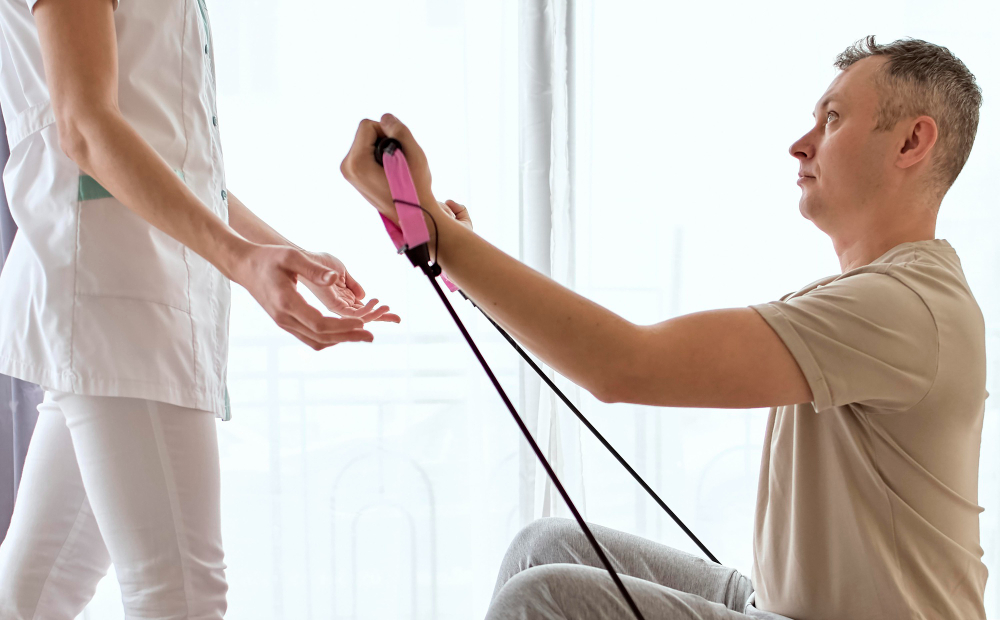
Regular physical activity reduces stress levels, helps improve mood, and even reduces symptoms of depression. Studies conducted by the U.S. Veterans Administration confirmed that veterans who regularly exercised reported significant reductions in PTSD symptoms. Physical activity helped them cope with emotional stress and improved their overall quality of life. Various types of physical activity, such as yoga, swimming, and cycling, have also been shown to be effective for people undergoing rehabilitation.
A systematic review conducted by the Institute for Veterans and Military Families (IVMF) found that veterans’ participation in sports activities improves psychological well-being. The results of this study demonstrated that physical exercise reduces PTSD and supports motivation, improves social connections, and allows veterans to focus on their strengths rather than their limitations.
Stages of rehabilitation: the importance of planning and systematicity
Rehabilitation after injuries and psychological disorders requires a structured approach. The primary goal of rehabilitation is to restore mobility and physical strength. Starting with passive exercises under the guidance of a specialist, veterans can gradually move on to physiotherapy classes aimed at strengthening muscles.
Cardiovascular exercise, such as swimming or cycling, improves endurance and heart health, which is important for people who have experienced stressful situations. Physical activity in nature, such as ecotherapy, also has a positive effect on the mental state of veterans, alleviating symptoms of PTSD and improving overall well-being.
Maintaining discipline: practical recommendations
Maintaining discipline is one of the most difficult parts of rehabilitation. For many veterans, a system of small, achievable goals that gradually lead to big results is effective. For example, you can start with short classes, gradually increasing their duration. Keeping records, such as a training diary, helps to record achievements and track improvements. Another important aspect is group classes – veterans who exercise in groups feel more supported and find inspiration in each other.
Tips for maintaining overall health
In addition to physical activity, an important component of recovery is adequate rest and healthy sleep. Sufficient sleep not only restores physical strength, but also supports mental health, which is critically important for veterans with PTSD. Proper nutrition also contributes to recovery, especially a diet rich in protein, which is necessary for muscle regeneration, as well as vitamins and minerals to support immunity and overall body tone.
Psychological aspects of rehabilitation
Physical activity has a positive impact not only on physical health, but also on mental health. Participating in team sports, where veterans can interact with each other, helps increase motivation and develop new social connections. For example, exercise therapy and yoga classes help veterans achieve inner peace and harmony, which is an important part of the recovery process.
Results
Physical activity and rehabilitation are important components of veterans’ return to civilian life. A variety of sports and physical exercises allow veterans to reduce stress levels, improve physical condition and psychological stability. Every veteran can find their own path in rehabilitation, and community support and the availability of accessible programs help make this path more effective and meaningful.
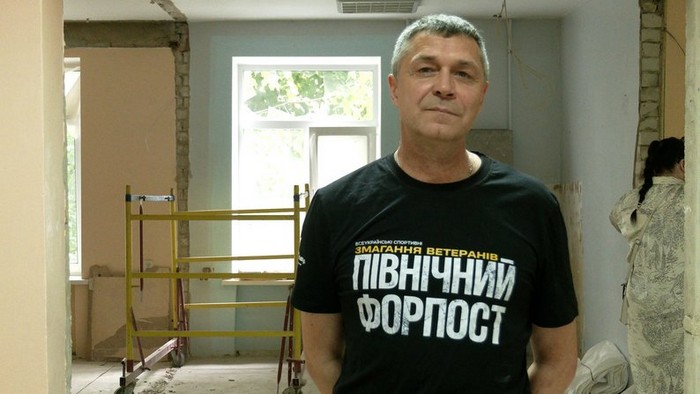
When obstacles are not obstacles: The story of courage of Yuri Vetkin
Recovering from injury is a difficult journey that requires not only physical effort but also significant emotional and psychological resilience. Yuriy Vetkin from Chernihiv, wounded while defending his hometown, is one of those veterans whose story inspires many. His experience is a testament to the strength of spirit, the support of fellow soldiers, and the importance of a community like the Veterans’ Community of Ukraine “Sertsevir.”
Wounding and the beginning of a new path
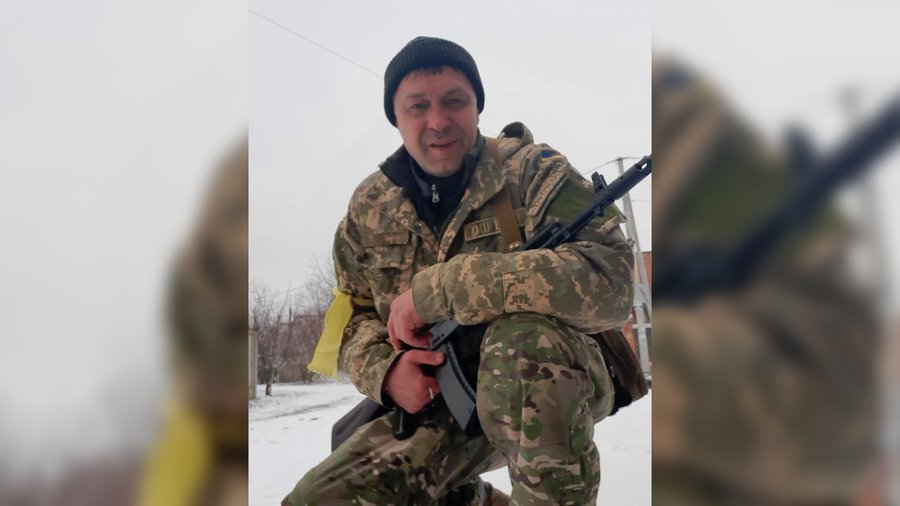
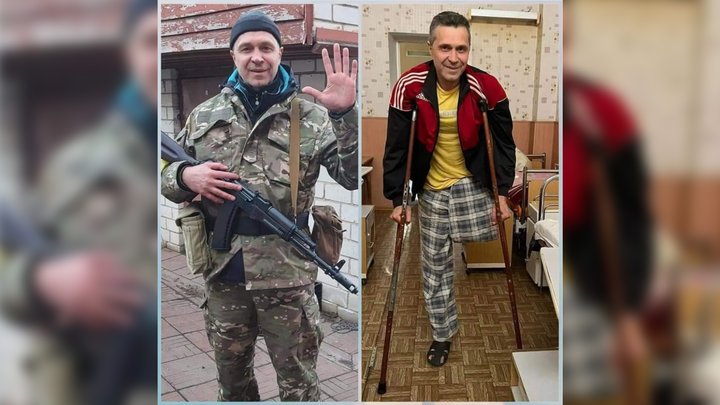
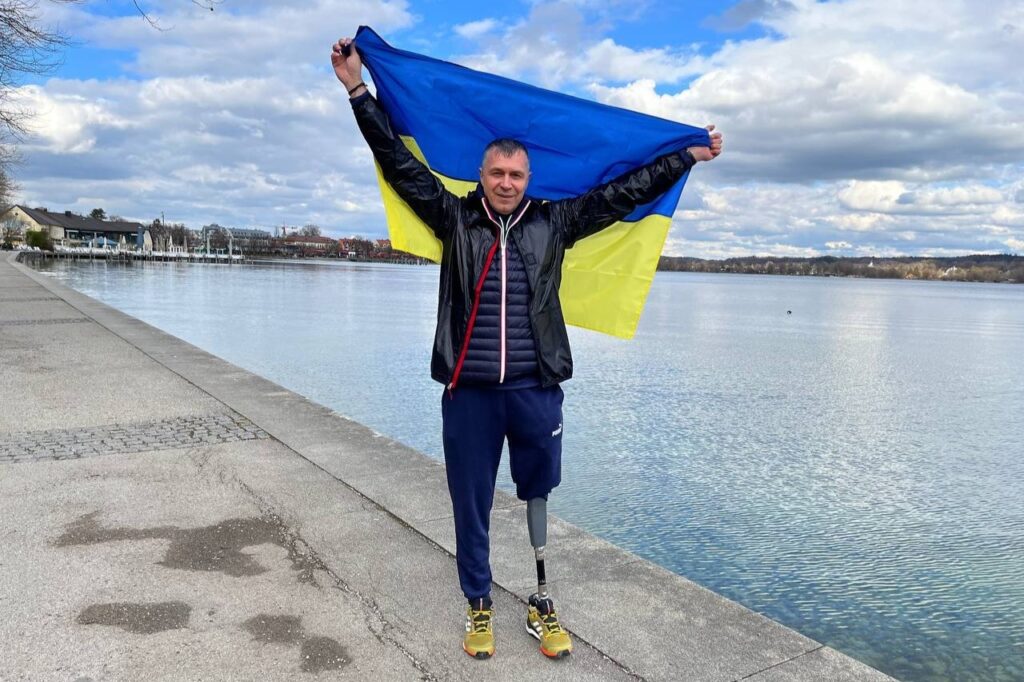
In March 2022, during intense fighting in the Bobrovytsia neighborhood, Yuriy was seriously injured as a result of mortar shelling. The loss of part of his leg radically changed his life, becoming a test that required great efforts to overcome. However, from the first days he was surrounded by the support of his comrades and specialists from the APU organization “Sertsevir”, who helped him begin the path to recovery.
Rehabilitation and the role of modern technologies
Yuriy underwent an intensive rehabilitation program that included physical exercises, therapy, and adaptation to life with a prosthesis. Thanks to modern prosthetic technologies and a specialized inclusive gym equipped in the Sertsevir space, he was able to gradually restore physical activity. Regular training not only strengthened his body, but also became a source of motivation and self-confidence.
Psychological support and the importance of community
One of the biggest challenges for veterans is overcoming the psychological effects of trauma. Feelings of isolation and a change in personal identity can be a serious obstacle to recovery. For Yuriy, the support from the APU organization “Sertsevir” played a crucial role. Together with psychologists and other veterans, he worked to overcome anxiety, depression, and other psychological difficulties.
Participating in group sessions, trainings, and workshops helped him feel part of a community where he was understood and supported. The brotherhood that emerged among veterans became a powerful resource for mutual assistance and inspiration.
Creativity and new horizons
In addition to physical and psychological rehabilitation, Yuriy discovered the world of creativity. He joined the veterans’ theater “Sertsevir”, where he was able to express his feelings and experiences through theatrical art. This activity not only became therapeutic, but also opened up new opportunities for self-realization.
Return to active life
Thanks to the acquired skills and support, Yuriy decided to continue his development and acquire a new profession. He began studying in the field of information technology and plans to use this knowledge to help other veterans. His goal is to become an example for those facing similar challenges, showing that life after trauma can be rich and fulfilling.
Inspiration for society
Yuriy Vetkin’s story is a vivid example of how courage, support, and community can help overcome the most difficult obstacles. It demonstrates the importance of social initiatives and the role of organizations such as the APU “Sertsevir” in the process of veteran rehabilitation.
This story inspires not only veterans, but also the entire society, showing that strength of spirit and mutual assistance can work wonders. Yuriy and his fellow soldiers continue to prove that despite their physical limitations, they are able to make a significant contribution to the development of Ukraine and inspire others to new achievements.
Psychological support and adaptation: how to return to a peaceful life
Returning to a peaceful life is a journey that requires time, inner strength, and support from those around them. Veterans often face many challenges: they may experience psychological effects such as PTSD, a loss of meaning in life, problems communicating with loved ones, or difficulties finding new goals in life.
Overcoming these challenges may seem like an overwhelming task, but with a structured approach and the support of loved ones, the steps to recovery become quite achievable.
Understanding PTSD: The First Step to Recovery
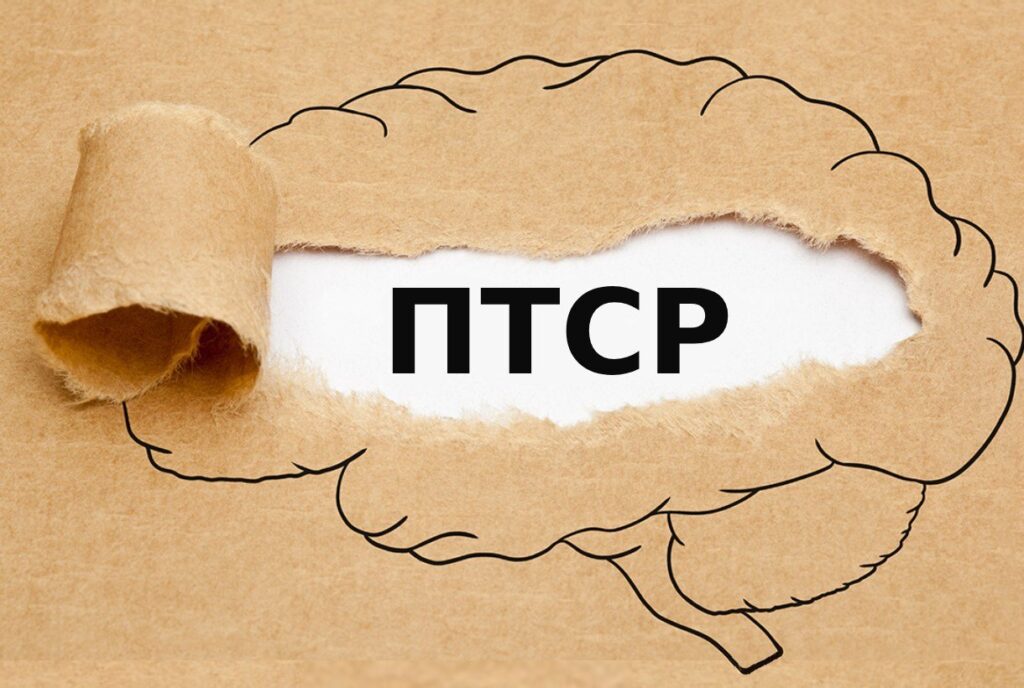
PTSD (post-traumatic stress disorder) occurs in response to stress and traumatic events that were not natural for human experience. Signs of PTSD may not appear immediately after returning, but over time, so it is important to be attentive to your condition or the condition of your loved ones. A person may suffer from a constant feeling of anxiety, nightmares, increased alertness, and even physical manifestations, such as a rapid heartbeat or headache.
Helpful advice
Knowing the symptoms and their nature helps to understand that PTSD is a normal reaction to abnormal circumstances. If necessary, do not delay seeking professional help – many therapists specialize in working with veterans and know how to overcome this disorder.
Emotional support in the family
Returning to relatives can be both a source of joy and a difficult test, because the family and the veteran himself can change during the separation. Veterans often feel emotionally detached or try to hide their experiences to protect their family from painful memories. This approach can lead to isolation and even greater psychological stress. Open communication and support from loved ones help the veteran not only cope with their own experiences, but also feel like an important part of the family.
Tips for family members
Be prepared for gradual adaptation – returning a veteran to their usual life requires patience and respect for their feelings.
Engaging in joint activities – walks, light workouts or just talking while doing household chores will help relax and tune in to a peaceful life.
Creating new goals and planning for the future
For veterans who have left their military career behind, it is important to find their role in society. A sense of purpose and belonging to something greater is one of the main components of a happy life. For many veterans, this process is quite difficult, as they may feel a loss of purpose or even the futility of their role in civilian life.
Helpful strategies
Develop step-by-step plans – set yourself small achievable goals, such as participating in training, classes or new courses. This will help to regain motivation.
Get involved in volunteer organizations or support groups – the experience of communicating with other veterans and the support of organizations such as “Sertsevir” can be a great support and help you find a new calling.
Healthy lifestyle: a resource for body and soul
Mental health largely depends on your physical condition. Regular physical activity and a balanced diet help improve mood, reduce stress and increase energy levels. It is known that physical exercise helps produce endorphins – “hormones of happiness”, which have a powerful effect on your psychological state.
Useful tips
Include sports in the daily schedule – physical activity can be therapeutic, especially when it is carried out in the fresh air or with other veterans.
Regular and full sleep – create favorable conditions for sleep, avoid evening viewing of screens and consumption of heavy meals before bedtime. The quality of sleep significantly affects the psychological state, which is especially vulnerable during adaptation to civilian life.
Practice relaxation techniques – breathing exercises, meditation or yoga classes help reduce anxiety levels and find inner peace.
Do not ignore the help of specialists
Therapy with a professional psychotherapist can provide structured support and help find resources for overcoming stress and anxiety. Today, there are a variety of methods adapted specifically for veterans that help successfully cope with PTSD and other emotional problems.
How to choose a specialist
Use resources for veterans – organizations such as “Heart” often provide free or subsidized services of psychotherapy specialists.
Try group therapy – group communication allows you to share your experiences with others who have gone through similar difficulties, which can be an effective support.
Conclusion
In general, a successful return to civilian life is a process that takes time and patience. With support, the right strategies, and structured help, veterans can successfully adapt and find a new place in society, returning to life a sense of meaning and purpose.
